Discover a free printable 12‑week plan that guides beginners through progressive dumbbell exercises, offering clear routines, weight suggestions, and safety tips to build strength and confidence. Ideal for beginners, includes days.
Why Dumbbells are Ideal for Beginners
Dumbbells offer a versatile, low‑impact introduction to resistance training, allowing beginners to develop proper form without the intimidation of heavy barbells. Their compact size and adjustable weight ranges make it easy to progress gradually, ensuring consistent muscle adaptation and strength gains. With a single pair, you can target both upper and lower body movements, promoting balanced muscular development while keeping the workout space minimal. The freedom to move each arm independently enhances core stability and coordination, key factors for injury prevention. Additionally, dumbbells are inexpensive, portable, and safe for home use, making them accessible for anyone looking to start a structured fitness routine. The printable 12‑week plan further supports beginners by providing clear guidelines, progressive overload principles, and daily variations that keep motivation high. Overall, dumbbells combine simplicity, effectiveness, and convenience, making them the perfect tool for those new to strength training. This plan’s structured progression keeps you from plateaus, building confidence for long‑term fitness success and gains.!!
Dumbbells offer a versatile, low‑impact introduction to resistance training, allowing beginners to develop proper form without the intimidation of heavy barbells. Their compact size and adjustable weight ranges make it easy to progress gradually, ensuring consistent muscle adaptation and strength gains. With a single pair, you can target both upper and lower body movements, promoting balanced muscular development while keeping the workout space minimal. The freedom to move each arm independently enhances core stability and coordination, key factors for injury prevention. Additionally, dumbbells are inexpensive, portable, and safe for home use, making them accessible for anyone looking to start a structured fitness routine. The printable 12‑week plan further supports beginners by providing clear guidelines, progressive overload principles, and daily variations that keep motivation high. This plan’s structured timeline ensures measurable milestones, turning exercise into a habit that supports long‑term health. The PDF’s clear layout also makes it easy to adjust weights on the fly, ensuring that each workout remains challenging yet safe as strength improves. Participants also benefit from the psychological boost of seeing a tangible, downloadable schedule, which reinforces commitment and helps avoid the common pitfalls of sporadic training. The structured progression also helps you avoid plateaus, as each week’s incremental load is carefully planned to match your improving strength, keeping motivation high!!!
Overview of the Free PDF Resource
The free printable PDF delivers a comprehensive 12‑week dumbbell workout schedule tailored for novices. It features day‑by‑day routines, suggested weight ranges, and concise exercise instructions, all organized into weekly blocks. The layout is clean and printable, allowing you to print and keep a hard copy for quick reference during workouts. Each week’s plan builds on the previous one, incorporating progressive overload principles to steadily increase strength while minimizing injury risk. The resource also includes brief notes on proper form, rest intervals, and optional modifications for varying fitness levels. By providing a structured roadmap, the PDF helps beginners stay consistent, track progress, and achieve visible results without the need for a gym membership. Download it for free from the official site and start your journey toward a stronger, healthier you today! The PDF also offers a printable progress tracker, allowing you to log sets and reps, ensuring you stay on target and celebrate milestones. Feel free to customize weight increments or swap exercises to match your preferences, as plan is flexible adaptable progress!!
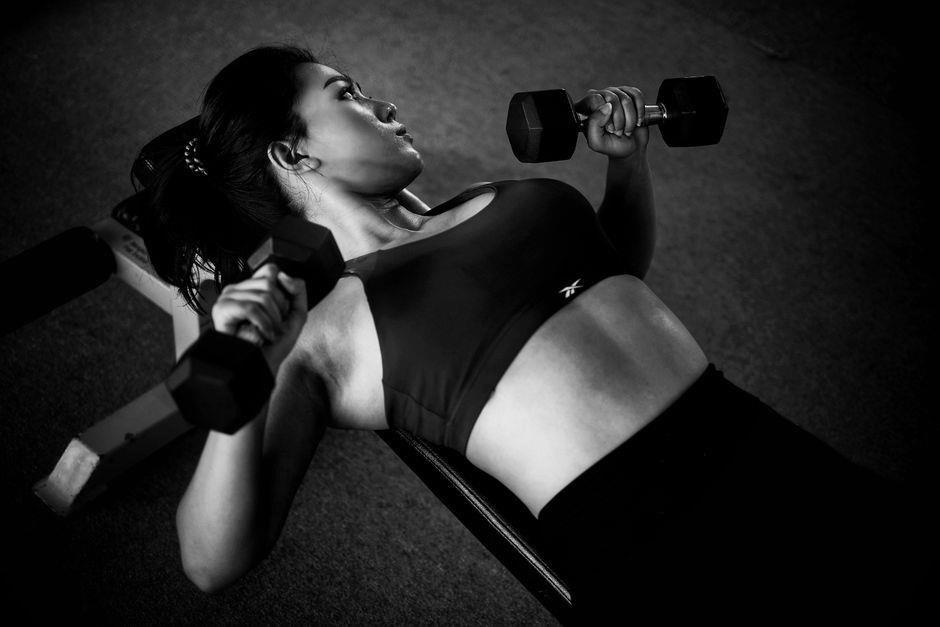
Getting Started: Equipment and Setup
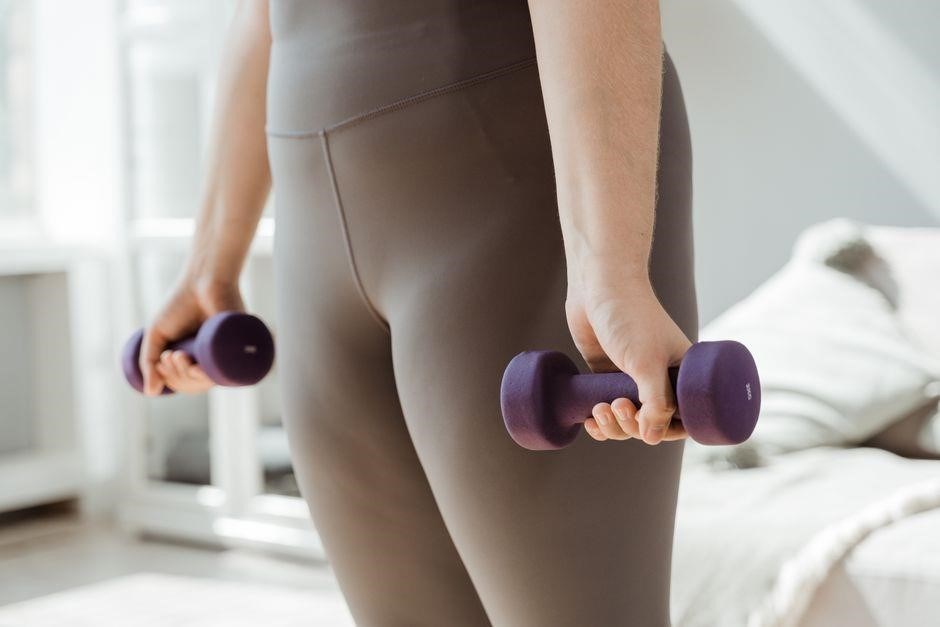
Start with adjustable dumbbells, a flat bench, and a sturdy mat. Set up a clear space, ensuring room for full motion. Keep water and a timer!! for rest to track intervals. and a timer!!!

Selecting the Right Dumbbell Weights
Choosing the proper weight is crucial for a safe and effective beginner program. Start by assessing your current strength level: for most novices, a pair of 5‑10 lb dumbbells works for upper‑body movements, while 10‑15 lb pairs are suitable for lower‑body exercises. The printable 12‑week plan recommends a progressive scheme: begin with the lightest set, complete the prescribed repetitions, and if form remains flawless, increase the load by 2‑5 lb every two weeks. This gradual progression prevents injury and encourages muscle adaptation. Use a weight chart that lists increments in 2‑lb steps for women and 5‑lb steps for men, ensuring you can adjust each session. If you have adjustable dumbbells, mark the starting weight on the dial and record it in a workout log. Always keep a spare pair of lighter weights on hand for warm‑ups or for exercises that require a lighter load, such as biceps curls or lateral raises. Finally, remember that the goal is to reach the last rep with effort but without compromising form; if you can’t complete the set, the weight is too heavy. By following these guidelines, you’ll stay on track with the PDF’s structured plan and steadily build strength. Additionally, consider the material of the dumbbells; rubber‑coated weights reduce noise and protect flooring, while metal cores offer durability. If you’re working out at home, a set of adjustable dumbbells can save space and cost, allowing you to scale the weight as you progress through the 12‑week schedule. Keep a small notebook or digital app to log each session’s weight, reps, and perceived effort; this data will help you adjust future workouts and stay motivated. Remember, consistency beats intensity in the early stages, so prioritize proper technique over heavier loads. By carefully selecting and adjusting your dumbbell weights, you’ll maximize the benefits of the beginner plan and reduce the risk of strain or injury.
Setting Up a Safe Workout Space
Begin by choosing a flat, well‑ventilated room with ample natural light or bright artificial lighting. Clear a 12‑by‑12‑foot area to accommodate the full range of motion for each exercise in the printable 12‑week plan. Place a non‑slip rubber mat or yoga mat to protect flooring and reduce noise. Position the dumbbells within easy reach, using a small shelf or a dedicated storage rack to keep them organized and prevent accidental drops. Ensure that all electrical cords or appliances are tucked away or covered to avoid tripping hazards. Install a wall‑mounted mirror so you can monitor form and make real‑time adjustments. Keep a first‑aid kit, a bottle of water, and a towel within arm’s reach. If you’re working out near a window, secure blinds or curtains to prevent glare that could distract you during lifts. Finally, test the space by performing a few warm‑up sets; if any equipment feels unstable or the floor slants, address the issue before proceeding. A well‑prepared environment not only safeguards against injury but also boosts focus and motivation throughout the 12‑week journey. Remember to review your form regularly and adjust weights as you gain confidence, ensuring progress!
Essential Accessories and Safety Gear
For a beginner dumbbell routine, the right accessories can transform a simple workout into a safe, efficient, and enjoyable experience. Start with a sturdy, non‑slip rubber mat that cushions joints and protects flooring. A set of adjustable dumbbells with a clear weight‑labeling system lets you progress without clutter. Keep a small, lockable storage rack or a dedicated shelf to keep weights organized and prevent accidental drops. A pair of supportive, breathable workout gloves helps maintain a firm grip and reduces callus formation. A waterproof, sweat‑resistant timer or phone app tracks rest intervals, ensuring you stay on schedule. If you’re monitoring progress, a digital heart‑rate monitor or a simple pulse‑check app can help you stay within target zones. A compact first‑aid kit, including bandages, antiseptic wipes, and a small bottle of hand sanitizer, should be within arm’s reach. A tall, clear water bottle keeps hydration handy, while a towel or microfiber cloth wipes away sweat. Finally, a wall‑mounted mirror or a portable video camera allows you to review form and make real‑time adjustments. Keep your gear organized and within reach to maintain focus daily.

Week-by-Week Structure of the 12-Week Plan
Each week builds on the last, adding reps or weight. The PDF outlines a clear schedule, rest days, and progressive overload cues, ensuring beginners steadily gain strength and confidence
Weekly Schedule and Frequency
In the free printable 12‑week dumbbell plan, each week is carefully spaced to maximize recovery while driving progress. The schedule follows a 3‑day split: Monday, Wednesday, Friday for upper‑body and core, Tuesday and Thursday for lower‑body, and Saturday for a full‑body circuit. Sunday is a rest day. Each workout lasts 30–45 minutes, with 60‑second rests between sets. The PDF recommends starting with 3 sets of 12 reps for beginners, then adding 1–2 reps per week or increasing weight by 2.5 lb when the last rep feels manageable. The plan also includes a “deload” week every fourth week, where volume is reduced by 25 % to allow muscle repair. The weekly frequency is consistent, ensuring that each muscle group is hit twice per week, which aligns with research showing optimal hypertrophy gains. The schedule is flexible: if a user cannot hit all three days, the PDF suggests a 2‑day split that still covers all major groups. The plan’s structure is designed to keep beginners engaged, avoid plateau, and provide clear markers for progression. By following the weekly cadence, users can track improvements in strength, endurance, and confidence, all while using only a set of adjustable dumbbells and a mat. Warm‑ups last two minutes, cool‑downs two minutes. Ok.!
Progressive Overload Principles
Progressive overload is cornerstone of 12‑week plan! The PDF outlines a step‑by‑step method that lets beginners increase load without compromising form. Each exercise starts with a weight that allows 12 reps with good technique; once the last rep feels manageable, user adds 2.5 lb (or 5 lb for larger lifts) the following week !. This dual approach—weight and set progression—ensures continuous stimulus while keeping fatigue in check. The PDF recommends a “deload” week every fourth week, reducing both weight and volume by 25 % to allow recovery and prevent overtraining. Additionally, the plan uses a log sheet where users record weight, reps, and perceived effort; if the perceived effort is below 7 on a 10‑point scale, the user increases load next session. This data‑driven method aligns with research that shows measurable gains when load is increased at a 5–10 % rate. By following these progressive overload principles, beginners can build strength, improve endurance, and avoid injury all while staying motivated by progress in the printable PDF now!
Sample Weekly Routine Overview
Week 1 focuses on full‑body sessions, three times a week. Each session starts with a warm‑up of 5 minutes dynamic mobility, followed by a circuit of five compound moves: goblet squat, dumbbell bench press, bent‑over row, overhead press, and Romanian deadlift. Perform 3 sets of 12 reps, resting 90 seconds between sets. The PDF recommends alternating between “push” and “pull” days to allow muscle recovery. On the third day, replace the bench press with a dumbbell floor press and the overhead press with a single‑arm shoulder press to target stabilizers. Between weeks, increase the dumbbell weight by 2.5 lb for upper‑body moves and 5 lb for lower‑body moves. The routine also incorporates a core finisher: 3 sets of 20 Russian twists and 3 sets of 15 plank shoulder taps. Each week’s log sheet records weight, reps, and perceived effort, guiding the next week’s progression. By the end of week 12, the user will have progressed from 10 lb to 25 lb on most lifts, achieving noticeable strength gains and confidence in handling heavier loads. The PDF also includes a printable log sheet to track sets, reps, and weight progression, ensuring you stay accountable and see measurable gains over time. and stay strong ok!!!.
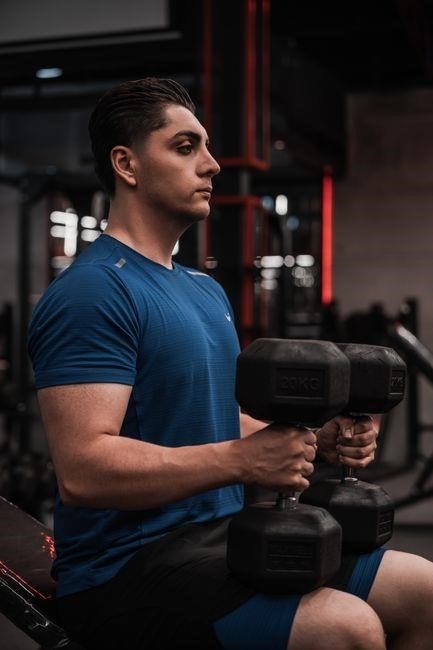
Key Exercises Covered in the Plan
Upper‑body: dumbbell press, row, curl, kickback. Lower‑body: goblet squat, deadlift, lunges, calf raise. Core: twists, plank taps, dead bug. These exercises target muscle, development daily!!
Upper Body Movements
Key lifts build strength safely:
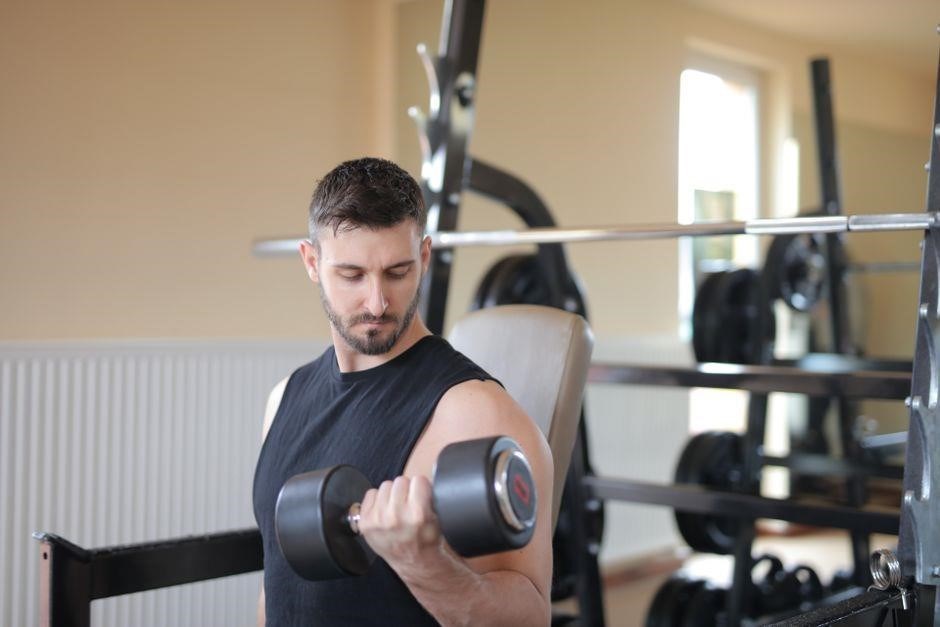
- Dumbbell Bench Press – Chest, shoulders, triceps. Keep elbows 45°.
- Dumbbell Row – Back, rear delts. Pull elbows close to torso.
- Dumbbell Curl – Biceps. Control motion, avoid swinging.
- Dumbbell Kickback – Triceps. Elbow 90°, extend fully.
- Dumbbell Shoulder Press – Shoulders, upper chest. Press overhead, elbows forward.
Progress: increase weight 5–10 % after two sets of 12 reps. Rest 60–90 s between sets. Repeat 3× weekly for balanced upper‑body gains.
Each exercise is performed for 3 sets of 10–12 reps, with a 60–90 second rest between sets; Focus on proper form, breathing, and controlled tempo. Gradually increase load to challenge muscles while preventing injury. Consistency over 12 weeks yields noticeable strength and muscle tone.
Remember to warm up with light cardio and dynamic stretches before lifting, and cool down with static stretches afterward to aid recovery and flexibility.
hydrated and listen to your body; rest when needed .
Lower Body Movements
Key exercises for beginners:
- Dumbbell Squat – Targets quads, hamstrings, glutes. Squat to parallel.
- Dumbbell Lunge – Works quads, glutes, calves. Step forward, lower knee to 90°, push back.
- Dumbbell Romanian Deadlift – Hamstrings, glutes, lower back. Keep knees slightly bent, hinge at hips.
- Dumbbell Calf Raise – Calves. Stand on toes, lift heels, lower slowly.
- Dumbbell Hip Thrust – Glutes, hamstrings. Place back on bench, thrust hips upward.
Structure: 3 sets of 10–12 reps, 90‑second rest. Increase weight by 5–10 % when 12 reps feel easy. Do 2–3 lower‑body sessions, spacing 48 hours for recovery.
Form cues: keep core tight, back neutral, knees over toes. Use a mirror or video for alignment. Warm up with body‑weight squats, leg swings, then lift; stretch hamstrings and calves afterward.
Consistency over 12 weeks builds strength, improves mobility, and supports fitness.
Core and Stabilization Exercises
Beginner dumbbell workouts emphasize core stability to support movement patterns and prevent injury. The PDF plan includes three core‑focused routines per week, each lasting 10–12 minutes. Key exercises:
- Dumbbell Side Plank – Hold a light dumbbell on the hip of the lower side, maintain a straight line from head to feet. 3 sets of 20–30 seconds per side.
- Dumbbell Russian Twist – Sit with knees bent, lean back slightly, hold a dumbbell with both hands, rotate torso left and right. 3 sets of 15 reps each side.
- Dumbbell Dead Bug – Lie on back, hold dumbbells above chest, extend opposite arm and leg, return. 3 sets of 12 reps per side.
- Dumbbell Farmer’s Walk – Walk 20–30 feet carrying a dumbbell in each hand, keeping shoulders back and core engaged. 3 sets.
Core stability is vital for safe lifting and overall strength development.!!!
Progression: increase hold time or add a second dumbbell after week 6. Always keep the core engaged, breathe steadily, and avoid arching the lower back. Incorporate these moves after major lifts to reinforce stability and improve overall performance.

Tips for Maximizing Results and Staying on Track
Track progress with a workout log, adjust weights every 2 weeks, hydrate, rest, and follow the PDF’s meal suggestions. Celebrate milestones, stay consistent, and avoid skipping sessions for best results. Keep a mindset, reward weekly. daily.!

Tracking Progress and Adjusting Weights

Use the free printable PDF from Fitness Drum to log each session. Record sets, reps, and weight for every exercise. After completing a week, compare totals to the previous week. If you can perform the prescribed reps with good form, increase the dumbbell weight by 2.5–5 lb for the next cycle. Conversely, if form breaks or fatigue spikes, hold the current weight or reduce by 2.5 lb. The PDF’s built‑in table guides you to mark “Progress” or “Plateau” for each movement, helping you decide when to bump up or maintain load. Consistent tracking also reveals patterns such as stronger upper body versus lagging legs, allowing you to tweak volume or add accessory work. Remember to rest at least 48 h before re‑attempting the same muscle group, and keep a separate recovery log to note soreness, sleep, and nutrition. This systematic approach ensures progressive overload while preventing injury, and the PDF’s visual layout makes it easy to stay organized and motivated throughout the 12‑week journey. Additionally, set a weekly goal of increasing total weight lifted by at least 5 lb across all exercises. Use a spreadsheet or a simple notebook to plot these numbers, and review them every Sunday night to plan the upcoming week. Visualizing progress keeps motivation high and helps you stay accountable to the plan. Finally, share your progress on social media or with a workout buddy to gain encouragement and accountability. Keep a photo diary of your form to ensure technique stays correct as weights increase.
Nutrition and Recovery Guidelines
Start each workout with a balanced pre‑exercise meal or snack that combines complex carbs and lean protein—think oatmeal with whey or a turkey sandwich—within 60 minutes before lifting. Post‑session, aim for 20–30 g of protein and 30–45 g of carbs to replenish glycogen and support muscle repair. Hydration is critical: drink at least 16 oz before training, another 16 oz during, and 24 oz after. Include electrolytes if sweating heavily. Rest days should focus on active recovery: light walking, stretching or foam‑rolling to improve circulation and reduce DOMS. Sleep 7–9 hours nightly; use a consistent bedtime routine to enhance muscle growth hormones. Consider a 5‑minute cooldown with deep breathing to lower heart rate. For advanced beginners, a protein shake within 30 min post‑workout can boost recovery. Track sleep quality, meal timing, and workout intensity in a journal to spot patterns and adjust. Finally, listen to your body: persistent soreness or fatigue signals the need for an extra rest day or a lighter load. Stay hydrated, keep a consistent sleep schedule, and listen to your body’s signals; these habits amplify strength gains and reduce injury risk. Stay strong, champ
Avoiding Common Mistakes and Injuries
Beginner dumbbell routines often stumble on form, overload, and recovery. First, never sacrifice technique for weights; a slight forward lean or rounded shoulders can trigger shoulder impingement. Use a mirror or record yourself to verify spine and motion. Second, progress gradually—add no more than 5–10 % of total load each week, and monitor joint pain. Third, warm up thoroughly: 5–10 minutes of mobility drills (leg swings, arm circles) prepares tissue for load. Fourth, cool down with stretches targeting chest, lats, quads, and hamstrings to maintain flexibility. Fifth, respect rest intervals: 60–90 seconds between sets for hypertrophy, longer if strength is the goal. Sixth, hydrate and fuel; dehydration can cause cramps and compromise form. Seventh, listen to your body—persistent soreness, sharp pain, or swelling warrants a break or medical evaluation. Finally, keep a training log: note weights, reps, perceived effort, and any discomfort. This record helps spot patterns that precede injury and informs adjustments. By embedding these habits, beginners can safely build strength while minimizing the risk of strain, sprain, or overuse injuries!!!