
Sprint Triathlon Training Plan: A Comprehensive Guide
Embark on your triathlon journey! This guide details plans – four, eight, or twelve weeks – to prepare for a sprint triathlon,
focusing on building endurance and technique.
Welcome to the exciting world of sprint triathlon training! This discipline combines swimming, cycling, and running into one challenging and rewarding event. A sprint triathlon, the shortest distance, typically involves a 750m swim, a 20km bike ride, and a 5km run.
This guide is designed to provide a comprehensive training plan, regardless of your current fitness level. Whether you’re a complete beginner or have some experience in endurance sports, a structured approach is crucial for success and injury prevention. We’ll explore phased training, discipline-specific workouts, and essential recovery strategies.
Remember, consistency and smart training are key. Let’s begin your journey towards crossing that finish line!
Understanding Your Current Fitness Level
Before diving into a training plan, honestly assess your current fitness. Consider your experience with swimming, cycling, and running individually. Can you comfortably swim 400m, cycle for 30 minutes, and run 3km without excessive fatigue?
Evaluate your baseline endurance. A good base level of fitness will allow you to support the higher intensity phases of training. If you’re new to one or more disciplines, allocate extra time to build foundational skills. Don’t overestimate your abilities; starting too aggressively increases injury risk.
Be realistic about your starting point. This self-assessment will help tailor the plan to your needs and ensure a safe and effective training experience.
Setting Realistic Goals for Your Sprint Triathlon
Define achievable goals to stay motivated and track progress. For a first-time sprint triathlon, simply completing the race is a fantastic goal! Don’t focus on winning or achieving a specific time initially. Prioritize consistent training and building confidence.
Break down your overarching goal into smaller, manageable milestones. For example, aim to improve your swim time by 10 seconds each week or increase your cycling distance gradually.
Consider your lifestyle and time commitments. A realistic plan fits around your life, not the other way around. Adjust the training volume and intensity based on your availability and recovery needs. Celebrate small victories along the way!
Training Plan Duration & Phases
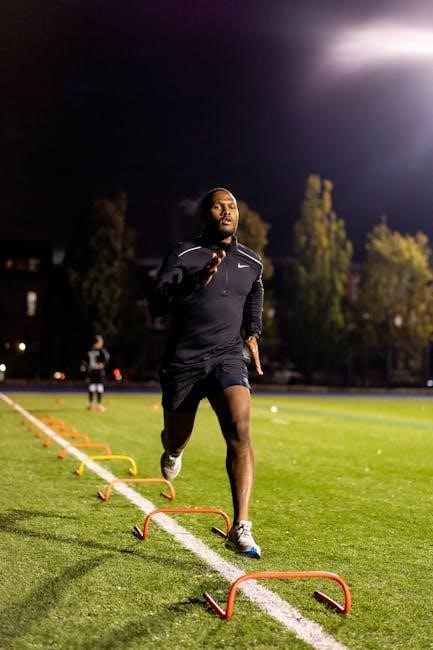
Sprint triathlon plans typically span four, eight, or twelve weeks. These phases build a base, enhance endurance, and prepare you for race-day success!
Typical Sprint Triathlon Training Plan Lengths (4, 8, or 12 Weeks)
Choosing the right plan duration is crucial. A four-week plan is incredibly condensed, best suited for athletes already possessing a strong fitness base and prior triathlon experience. Eight weeks offer a more balanced approach, allowing for gradual progression and skill development – ideal for intermediate athletes.
However, a twelve-week plan provides the most comprehensive preparation, particularly beneficial for beginners or those returning to the sport. This extended timeframe allows ample opportunity to build endurance, refine technique across all disciplines, and incorporate strength and conditioning work. It minimizes the risk of injury and maximizes race-day performance. Consider your current fitness level and time commitment when selecting a plan length.
Phase 1: Establishing Base Fitness
This initial phase is foundational for success. It focuses on building a solid aerobic base, preparing your body for the more intense training to come. This phase assumes some existing fitness, though it’s adaptable. Prioritize consistent, low-intensity workouts across swimming, cycling, and running – think conversational pace.
The goal isn’t speed, but duration. Gradually increase the time spent in each discipline, building endurance without overstressing your system. This phase is relatively short, serving as a crucial stepping stone. It allows you to support the higher intensity phases later in the plan, preventing burnout and minimizing injury risk. Consistency is key during this period!
Phase 2: Building Endurance

Now, we amplify your foundational fitness! Phase two concentrates on extending your endurance in each discipline – swim, bike, and run; Workouts gradually increase in duration and introduce some intensity, preparing you for the demands of the sprint distance. Expect longer cycling rides, extended runs, and swim sets focusing on maintaining pace over distance.
Brick workouts – cycling immediately followed by running – become increasingly important, simulating the transition experience. This phase builds mental toughness alongside physical stamina. Don’t neglect recovery; adequate rest is vital to absorb the training load. Continue to monitor your body and adjust the plan as needed, ensuring you’re progressing safely and effectively towards race day!
The Weekly Training Schedule
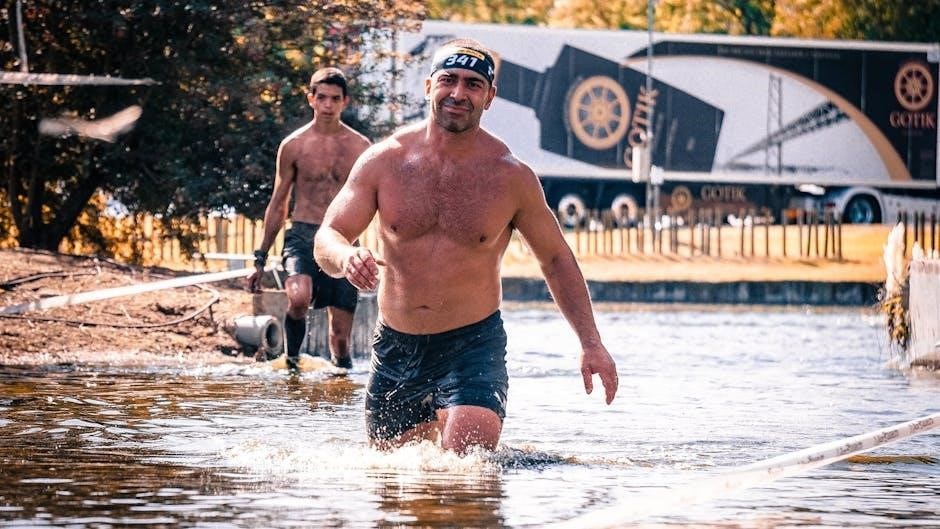
Consistency is key! Most plans utilize five training days weekly, dedicating each session to a specific discipline or a combination, maximizing efficiency and progress.
Five Training Days Per Week – A Common Approach
Structuring your week with five dedicated training days is a frequently recommended approach for sprint triathlon preparation. This allows for focused attention on each discipline – swimming, cycling, and running – alongside strength and conditioning work. It provides sufficient volume to build fitness without risking overtraining, crucial for beginners and intermediate athletes alike.
The benefit lies in distributing the workload, enabling adequate recovery between sessions. A typical schedule might include two swim workouts, two bike sessions (one potentially incorporating brick training – bike followed immediately by a run), and two run workouts. This balanced approach ensures well-rounded development, addressing the unique demands of each sport and preparing you effectively for race day. Remember to listen to your body and adjust as needed!
Sample Weekly Schedule Overview
A representative week might begin with a Monday swim, focusing on technique drills and short intervals. Tuesday could feature a strength training session, targeting core and leg muscles. Wednesday brings a moderate-length bike ride, building endurance. Thursday is dedicated to a tempo run, improving lactate threshold. Friday offers a second swim session, perhaps longer in duration.
Saturday often includes a brick workout – a shorter bike ride immediately followed by a run – simulating race transitions. Sunday is reserved for active recovery, like a light walk or yoga, or a complete rest day. This is a flexible template; adjust distances and intensities based on your fitness level and the phase of your training plan. Prioritize consistency and listen to your body!

Discipline-Specific Training
Master each sport! Focused workouts for swimming, cycling, and running are crucial, emphasizing technique, speed, and endurance to optimize performance and race readiness.
Swimming Training for Sprint Triathlon
Prioritize technique and efficiency in the water. Sprint triathlon swimming demands focused training, even for experienced swimmers. Workouts should incorporate drills to improve stroke mechanics, body position, and breathing. Speed work, including interval sets with varying distances and rest periods, is essential for building race pace.
Don’t neglect open water practice if your race includes an open water swim. Familiarize yourself with sighting, navigating, and swimming in a group. Building comfort and confidence in open water is paramount. Remember to warm up properly before each swim and cool down afterward to prevent injury and promote recovery. Consistent practice will yield significant improvements in your swim time.
Swimming Workouts: Focus on Technique and Speed
Sample workout: Begin with a 400m warm-up (easy pace). Then, complete 6 x 50m drills focusing on high elbow catch, followed by 8 x 100m at a moderate pace with 15 seconds rest. Incorporate 4 x 25m sprints with 30 seconds rest to build speed. Finish with a 200m cool-down.
Another effective session involves pyramid sets: 50m, 100m, 150m, 200m, 150m, 100m, 50m, each with decreasing rest intervals. Prioritize maintaining good form throughout. Regularly include pull buoy and kickboard sets to isolate muscle groups and improve technique. Vary your workouts to prevent plateaus and maintain motivation. Remember to listen to your body and adjust the intensity as needed.
Cycling Training for Sprint Triathlon
Building leg strength and stamina is crucial. Include interval training – for example, 8 x 400m repeats at a high intensity with equal recovery periods – to improve your power output. Longer endurance rides, gradually increasing in distance (up to 60-90 minutes), build aerobic capacity.
Don’t neglect hill repeats; these enhance strength and climbing ability. Practice brick workouts (bike immediately followed by a run) to simulate race conditions and improve transition efficiency. Focus on maintaining a consistent cadence and proper bike fit. Incorporate strength training targeting quads, hamstrings, and glutes. Remember to adjust resistance and gear selection to match terrain.
Cycling Workouts: Building Leg Strength and Stamina
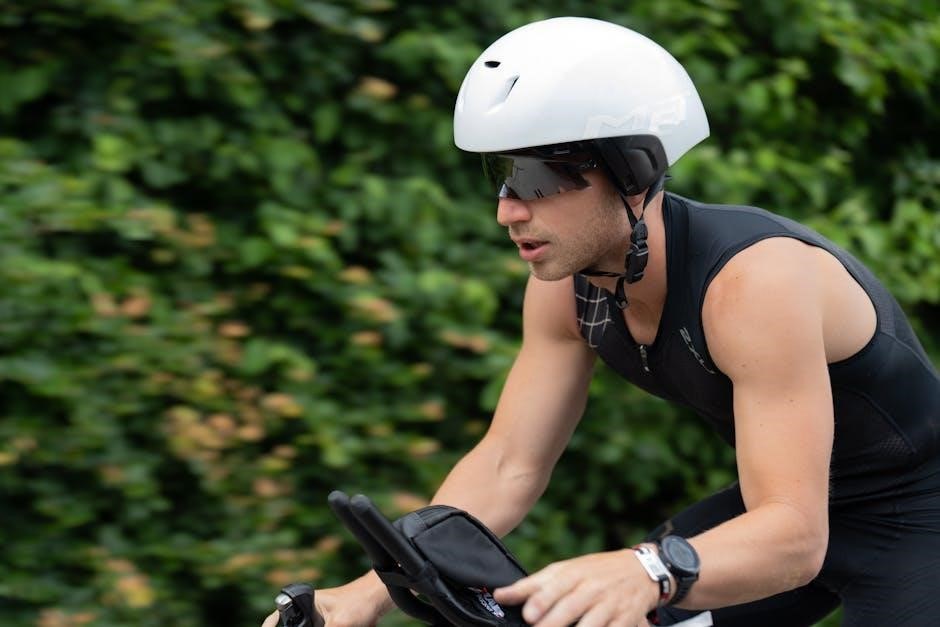
Structured cycling workouts are key to success. Begin with base rides – 60-90 minutes at a conversational pace – to build aerobic endurance. Introduce interval sessions: 4-6 repetitions of 5-minute hard efforts with 3-minute easy recovery. Hill repeats (6-8 climbs) enhance leg strength and power.
Tempo rides – 20-30 minutes at a comfortably hard pace – improve lactate threshold. Brick workouts (bike followed immediately by a run) simulate race demands. Vary terrain and intensity to challenge your muscles. Focus on maintaining a consistent cadence and proper form. Include one longer ride per week, gradually increasing distance. Prioritize proper bike fit and gear selection.
Running Training for Sprint Triathlon
Running in a triathlon demands speed and endurance. Incorporate a mix of easy runs, interval training, and tempo runs into your weekly schedule. Easy runs build aerobic base – aim for 30-45 minutes at a conversational pace. Interval training improves speed: 6-8 repetitions of 400m or 800m with recovery jogs.
Tempo runs – 20-25 minutes at a comfortably hard pace – increase lactate threshold. Brick runs (immediately after cycling) prepare your legs for the transition. Focus on efficient running form and cadence. Gradually increase mileage, but avoid overtraining. Include strength training to prevent injuries and improve power. Prioritize proper footwear and listen to your body.
Running Workouts: Interval Training and Tempo Runs

Interval training is crucial for boosting speed. Try 6-8 repetitions of 400m at a fast pace, followed by equal recovery jogs. Alternatively, perform 4-6 repetitions of 800m with longer recovery periods. These workouts enhance cardiovascular fitness and running economy.
Tempo runs build lactate threshold – run for 20-25 minutes at a “comfortably hard” effort. This pace should be sustainable but challenging. Warm-up and cool-down are essential. Incorporate both types of workouts weekly, alternating between them. Remember to listen to your body and adjust intensity as needed. Proper form is vital to prevent injuries during high-intensity sessions.

Strength and Conditioning
Strength training is vital for triathletes! It improves power, prevents injuries, and enhances performance across all disciplines, building a robust foundation.
Importance of Strength Training for Triathletes
Strength training isn’t merely supplemental for triathletes; it’s foundational. It directly translates to improved performance in swimming, cycling, and running by building muscular endurance and power. A well-structured strength program mitigates injury risk, a crucial aspect given the repetitive nature of triathlon training.
Specifically, strength work enhances cycling leg strength and running efficiency, while core stability improves body position in the water and overall biomechanics. Focusing on functional movements – exercises mimicking triathlon-specific actions – maximizes benefit. Ignoring strength training leaves potential performance gains untapped and increases vulnerability to overuse injuries. It’s about building a resilient, powerful engine for race day success.
Sample Strength Training Exercises
A comprehensive strength routine for triathletes should target major muscle groups. Begin with squats (3 sets of 10-12 reps) to build leg strength essential for cycling and running. Incorporate lunges (3×10 each leg) for unilateral strength and balance. Planks (3 sets, holding for 30-60 seconds) are vital for core stability, improving swim form and overall posture.
Include push-ups (3x as many reps as possible) to strengthen the upper body, aiding swim propulsion. Rows (3×10-12) build back strength, counteracting the forward-leaning posture common in cycling. Remember proper form is paramount; prioritize quality over quantity. Consider incorporating exercises with resistance bands for added challenge and versatility.

Nutrition and Recovery
Fueling and rest are crucial! Prioritize a balanced diet rich in carbohydrates and protein, alongside adequate sleep, to optimize training adaptations and prevent injury.
Fueling Your Body for Triathlon Training
Optimizing your nutrition is paramount for successful sprint triathlon training. A well-planned diet provides the energy needed for demanding workouts and supports recovery. Carbohydrates are your primary fuel source, especially during higher-intensity sessions, so prioritize complex carbs like whole grains, fruits, and vegetables. Protein is essential for muscle repair and growth, aiding in recovery from strenuous activity.
Don’t underestimate the importance of hydration! Drink water consistently throughout the day, and consider electrolyte drinks during and after longer workouts to replenish lost fluids and minerals. Timing your nutrition is also key; consume a carbohydrate-rich meal or snack before training, and refuel with both carbs and protein within 30-60 minutes post-workout. Experiment with different fueling strategies during training to determine what works best for your body on race day;
Importance of Rest and Recovery
Recovery is as crucial as the training itself for optimal performance and injury prevention. Your body needs time to repair muscle tissue, replenish energy stores, and adapt to the stress of training. Incorporate rest days into your weekly schedule – these don’t necessarily mean complete inactivity, but rather lighter activities like gentle stretching or walking.
Prioritize sleep, aiming for 7-9 hours of quality sleep each night. Active recovery techniques, such as foam rolling and massage, can help reduce muscle soreness and improve circulation. Listen to your body and don’t push through pain; addressing minor aches and pains early can prevent them from becoming more serious injuries. Proper nutrition and hydration also play a vital role in recovery, providing the building blocks your body needs to rebuild and repair.

Race Day Preparation
Finalize logistics and strategy! A pre-race checklist ensures you have all necessary gear, while pacing strategies maximize performance and a successful finish.
Pre-Race Checklist and Logistics
Meticulous preparation is key for race day success. Begin by confirming race packet pickup details and location; Assemble your gear – wetsuit (if allowed), bike, helmet, running shoes, and appropriate apparel – well in advance; Don’t forget race license, identification, and any required medical information.
Plan your transition area setup, visualizing the layout for a swift and efficient changeover. Pack nutrition (gels, bars, hydration) and ensure it’s easily accessible. Review the course map, noting key landmarks and potential challenges. Confirm travel arrangements and accommodation. Finally, prepare a checklist to verify everything is packed and ready to go, minimizing last-minute stress and maximizing focus on the race ahead.
Race Day Strategy and Pacing
Execute your training with a smart race strategy. Begin the swim with a controlled start, finding clear water quickly. Focus on efficient technique rather than speed initially. Transition smoothly onto the bike, maintaining a consistent cadence and power output. Avoid going out too hard, preserving energy for the run.
On the run, settle into a comfortable pace and maintain it. Break the course into manageable segments. Listen to your body and adjust your pace as needed. Utilize nutrition strategically throughout the race. Remember, a sprint triathlon demands a balanced effort – pacing is crucial for a strong finish. Visualize success and enjoy the experience!




No comment yet, add your voice below!