
Dog Guide Harness: A Comprehensive Guide
Navigating the world of dog harnesses can be tricky! This detailed guide explores various types, benefits, and fitting tips, ensuring comfortable and safe walks for your canine companion.
What is a Dog Guide Harness and Why Use One?
Dog guide harnesses are specialized equipment designed to distribute pressure evenly across a dog’s chest and shoulders, unlike traditional collars that concentrate force on the neck. This makes them a superior choice for control and comfort during walks and training.
Why choose a harness? They minimize the risk of tracheal damage, especially in smaller breeds prone to collapsing tracheas. Harnesses are invaluable for dogs that pull, offering better steering and reducing strain on both the dog and handler. Beyond control, harnesses enhance security, preventing escapes and providing a secure connection for assistance dogs.
Benefits of Using a Dog Guide Harness
Utilizing a dog guide harness offers numerous advantages for both you and your furry friend. Reduced strain on the neck is paramount, preventing potential injuries, particularly in breeds susceptible to tracheal issues. Enhanced control is another key benefit, making walks more manageable, especially with enthusiastic pullers.
Furthermore, harnesses promote better posture and distribute pressure evenly, increasing comfort during extended walks or hikes. They also offer increased security, minimizing the chance of escape, and are ideal for dogs with sensitive skin, avoiding irritation from collar pressure. A harness truly elevates the walking experience!
Types of Dog Guide Harnesses: An Overview
The world of dog harnesses is surprisingly diverse! Broadly, they fall into several key categories, each designed for specific needs. Front-clip harnesses excel at discouraging pulling, while back-clip harnesses are perfect for relaxed strolls with well-behaved companions. Vest harnesses prioritize comfort and security, offering broader coverage.
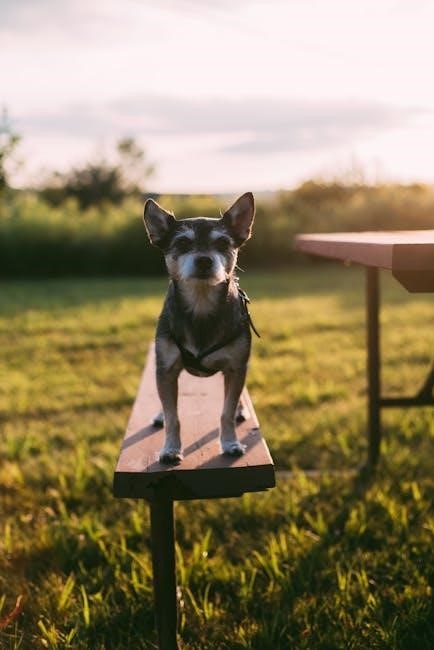
No-pull harnesses employ unique designs to gently redirect pulling, and escape-proof harnesses are a lifesaver for Houdini dogs. Understanding these core types is the first step towards finding the ideal fit for your canine friend, ensuring enjoyable and safe adventures together;
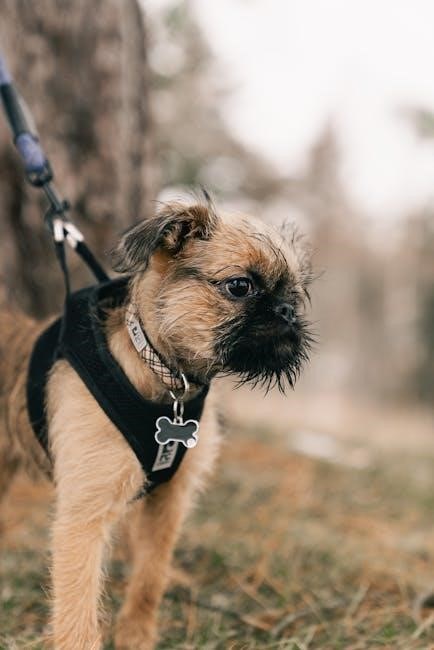
Detailed Harness Types
Let’s delve into specific harness designs! We’ll explore front-clip, back-clip, vest, no-pull, and escape-proof options, detailing their features and ideal use cases.
Front-Clip Harnesses: For Pulling and Training
Front-clip harnesses are specifically engineered to discourage pulling during walks, making them invaluable training tools. The leash attachment point is located on the dog’s chest, rather than the back.
When a dog pulls, this design gently steers them to the side, disrupting their forward momentum and discouraging continued pulling. This redirection is far more humane and comfortable than traditional collar corrections. They are exceptionally useful for dogs learning leash manners or those with a strong tendency to pull. Consistent use can significantly improve walking behavior, fostering a more enjoyable experience for both dog and owner.
How Front-Clip Harnesses Control Pulling
Front-clip harnesses utilize a biomechanical principle to manage pulling. When a dog attempts to forge ahead, the front attachment point redirects their body sideways. This isn’t about applying pain; it’s about disrupting the pulling motion.
Instead of allowing the dog to lean into the pressure, the harness gently guides them back towards the handler. This makes pulling less effective and, over time, less desirable. The redirection requires minimal force, making it a comfortable and safe training method. It teaches dogs that pulling doesn’t get them where they want to go.
Best Uses for Front-Clip Harnesses
Front-clip harnesses excel in training dogs who consistently pull on the leash. They are particularly beneficial for strong breeds or enthusiastic walkers; These harnesses are ideal for urban environments with frequent distractions, helping maintain control.
They’re also excellent for dogs learning loose-leash walking skills, providing gentle guidance. While effective for training, they can be used for everyday walks once the dog understands the desired behavior. However, they might not be the best choice for dogs with existing mobility issues, as the redirection can be strenuous.
Back-Clip Harnesses: For Casual Walks
Back-clip harnesses are a fantastic choice for dogs who already possess good leash manners. They’re designed for relaxed, enjoyable walks with well-behaved companions, offering comfort without restrictive control. These harnesses distribute pressure evenly across the dog’s chest, minimizing strain.
They are particularly suitable for smaller breeds or dogs without a strong pulling tendency. Back-clip harnesses are ideal for leisurely strolls, park visits, and everyday outings where a firm grip isn’t necessary. They prioritize comfort and freedom of movement for a pleasant walking experience.
Advantages of Back-Clip Harnesses
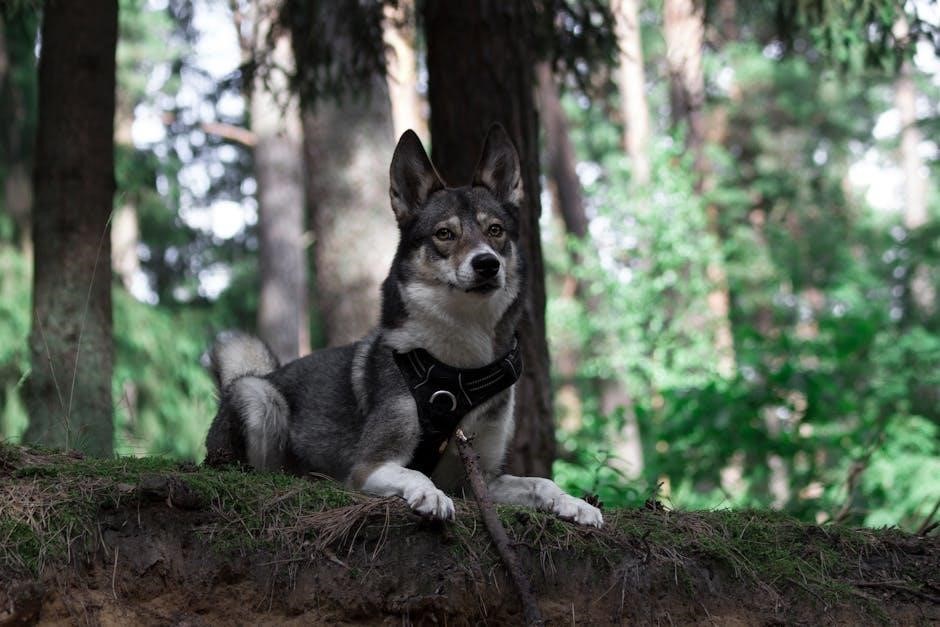
Back-clip harnesses excel in comfort and ease of use, making them a popular choice for many dog owners; Their design avoids pressure on the dog’s neck, reducing the risk of tracheal damage, especially beneficial for breeds prone to collapse.
They’re generally simpler to put on and adjust compared to other harness types, streamlining your walk preparation. Furthermore, the back clip encourages a natural gait, allowing for unrestricted movement during casual strolls. This design is perfect for dogs who don’t pull, promoting a relaxed and enjoyable walking experience for both pet and owner.
Suitable Dogs for Back-Clip Harnesses
Back-clip harnesses are ideally suited for well-mannered dogs who generally walk nicely on a leash without excessive pulling. Smaller breeds, or those with delicate necks, benefit greatly from the reduced pressure this style provides.
Senior dogs or those with pre-existing neck conditions also find back-clip harnesses more comfortable. They’re a fantastic option for breeds like Golden Retrievers, Labradors, and Poodles, known for their generally calm temperaments. However, if your dog is a strong puller, a front-clip or no-pull harness will likely be a more effective choice;
Vest Harnesses: Comfort and Security
Vest harnesses offer comprehensive coverage, distributing pressure across the dog’s chest and back for enhanced comfort, particularly on longer walks. These harnesses often feature padded interiors, minimizing chafing and maximizing a secure, snug fit.
Beyond comfort, vest harnesses provide a sense of security for anxious dogs, acting almost like a calming hug. Many designs include reflective strips for increased visibility during low-light conditions. They’re a popular choice for dogs prone to slipping out of traditional harnesses, offering a robust and reliable solution.
Features of Vest Harnesses
Vest harnesses commonly boast adjustable straps around the neck, chest, and belly, ensuring a customized and secure fit for various body shapes. Padding is a key feature, often utilizing breathable mesh to prevent overheating and chafing during extended wear.
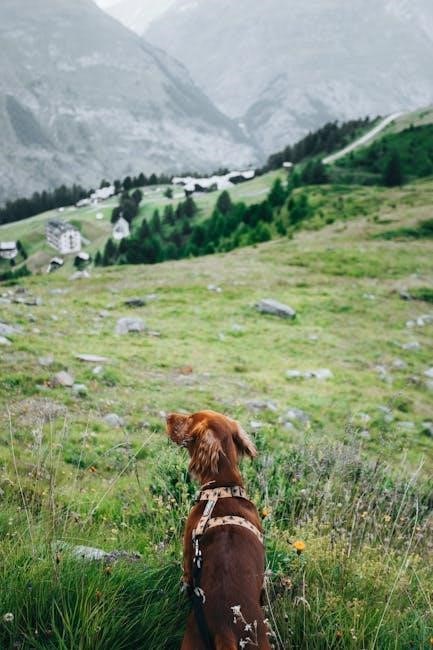
Many include multiple leash attachment points – typically on the back – offering versatility. Reflective stitching or panels are prevalent, enhancing visibility in low-light conditions. Some advanced models incorporate handle placements for added control during challenging situations, providing a secure grip for the owner.
Ideal Scenarios for Vest Harnesses
Vest harnesses excel in situations demanding both comfort and security for your dog. They are particularly well-suited for dogs prone to anxiety, offering a snug, reassuring fit, especially during travel or visits to busy environments.
Their broader surface area distributes pressure effectively, making them excellent for dogs with sensitive skin or those recovering from surgery. Vest harnesses are also a fantastic choice for leisurely walks, hikes, or any activity where extended wear is anticipated, prioritizing your dog’s overall well-being and enjoyment.
No-Pull Harnesses: Beyond Front-Clip
No-pull harnesses represent an evolution in controlling canine pulling, extending beyond the capabilities of simple front-clip designs. These harnesses employ various mechanisms to discourage pulling, often utilizing chest and back straps that tighten gently when a dog attempts to forge ahead.
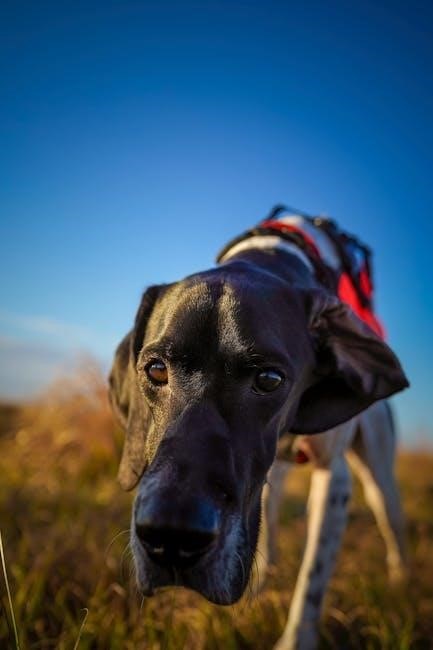
This redirects the dog’s momentum, subtly guiding them back towards a more relaxed walking pace. They offer a humane alternative to choke chains, promoting a more comfortable and positive walking experience for both the dog and owner, fostering better communication and control during outings.
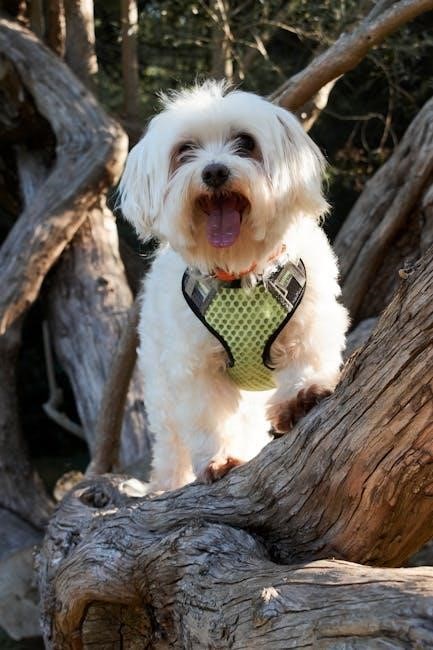
Mechanism of No-Pull Action
The core principle behind no-pull action lies in redirecting the dog’s force. When a dog pulls, the harness doesn’t allow them to move forward with that energy. Instead, it gently steers them to the side or downwards, disrupting their pulling momentum.
This isn’t about causing discomfort, but rather about making pulling ineffective. Many designs incorporate tension distribution, preventing concentrated pressure points. The harness subtly communicates to the dog that pulling doesn’t achieve the desired result, encouraging a more relaxed and enjoyable walk for both parties involved.
Different Designs of No-Pull Harnesses
No-pull harnesses aren’t one-size-fits-all; diverse designs cater to varying dog needs. Front-clip harnesses, a common type, redirect pulling force, while some utilize a figure-eight shape to further discourage forward momentum. Others employ a combination of front and back clips for versatility.
Dual-attachment point harnesses offer options for training versus relaxed walks. Some feature padded construction for enhanced comfort, crucial for sensitive dogs. Designs also vary in adjustability and material, impacting fit and durability. Choosing the right design depends on your dog’s size, temperament, and pulling habits.
Escape-Proof Harnesses: For Houdini Dogs
For dogs notorious for slipping harnesses, escape-proof designs are essential. These harnesses prioritize a secure, customizable fit, often featuring multiple adjustment points around the neck, chest, and belly. They commonly incorporate a snug, contoured shape to prevent the dog from backing out.
Buckles and straps are robust, sometimes including secondary security features like Velcro closures. Some designs utilize a limited range of motion to discourage escape attempts. Choosing an escape-proof harness provides peace of mind during walks, especially for anxious or agile pups.
Key Features of Escape-Proof Designs
Escape-proof harnesses distinguish themselves through several critical features. Multiple adjustment straps – around the neck, chest, and belly – are paramount, allowing for a truly customized and snug fit. Durable, high-quality buckles are essential, often incorporating locking mechanisms to prevent accidental release.
Contoured designs that closely follow the dog’s body shape minimize gaps and potential escape routes. Some include padded chest plates for comfort and to further discourage slipping. Look for designs with reinforced stitching and robust materials, ensuring longevity and security during walks.
When to Choose an Escape-Proof Harness
An escape-proof harness is crucial for dogs with a history of slipping out of traditional collars or harnesses. Breeds known for their flexibility, like Greyhounds or Whippets, often benefit from the added security. Dogs recovering from surgery or with anxiety may also require a more secure restraint to prevent self-harm or panicked escapes.
If your dog is a master Houdini, consistently finding ways to wriggle free, an escape-proof design is a necessity. These harnesses provide peace of mind during walks, especially in busy or unfamiliar environments, ensuring your dog’s safety and your control.
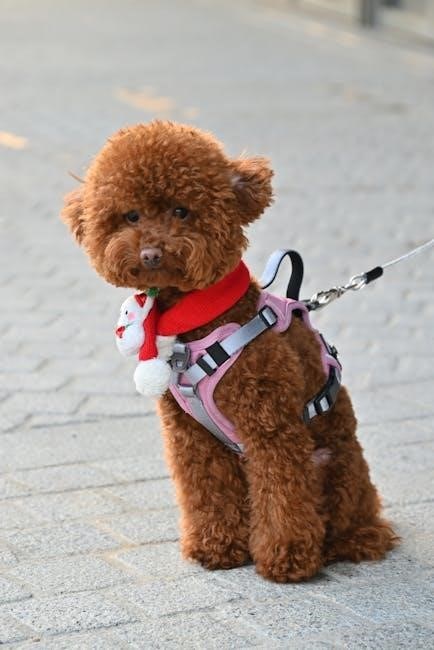
Sizing and Fit
Proper sizing is paramount for dog harness comfort and effectiveness; inaccurate measurements can lead to chafing or escapes, impacting your dog’s well-being.
Measuring Your Dog for a Harness
Accurate measurements are absolutely crucial when selecting a dog harness, preventing discomfort, chafing, and potential escape attempts. Begin by using a flexible measuring tape to determine your dog’s girth – the widest part of their chest, just behind the front legs.
Record this measurement carefully. Next, measure the length of your dog’s back, from the base of the neck to where the harness will sit. Remember to measure while your dog is standing, and don’t pull the tape too tightly. Consult the specific size chart provided by the harness manufacturer, as sizes can vary between brands.
A snug, but not restrictive, fit is the goal!
Importance of Accurate Measurements
Precise measurements are paramount for a well-fitting dog harness, directly impacting your dog’s comfort and safety. An ill-fitting harness can cause painful chafing, restrict movement, and even lead to escape attempts during walks. A harness that’s too loose offers minimal control, while one that’s too tight can impede breathing and circulation.
Taking the time to measure correctly ensures the harness distributes pressure evenly, preventing injury. Always refer to the manufacturer’s specific size guide, as sizing varies considerably between brands and styles. Don’t estimate – accurate measurements are the foundation of a happy, secure walk!
Adjusting the Harness for a Secure Fit
Once you’ve selected the correct size, proper adjustment is crucial. Begin by loosening all straps, then gently put the harness on your dog; Tighten the chest strap first, ensuring you can comfortably slide two fingers underneath. Next, adjust the shoulder straps to prevent them from slipping off or digging into the skin.
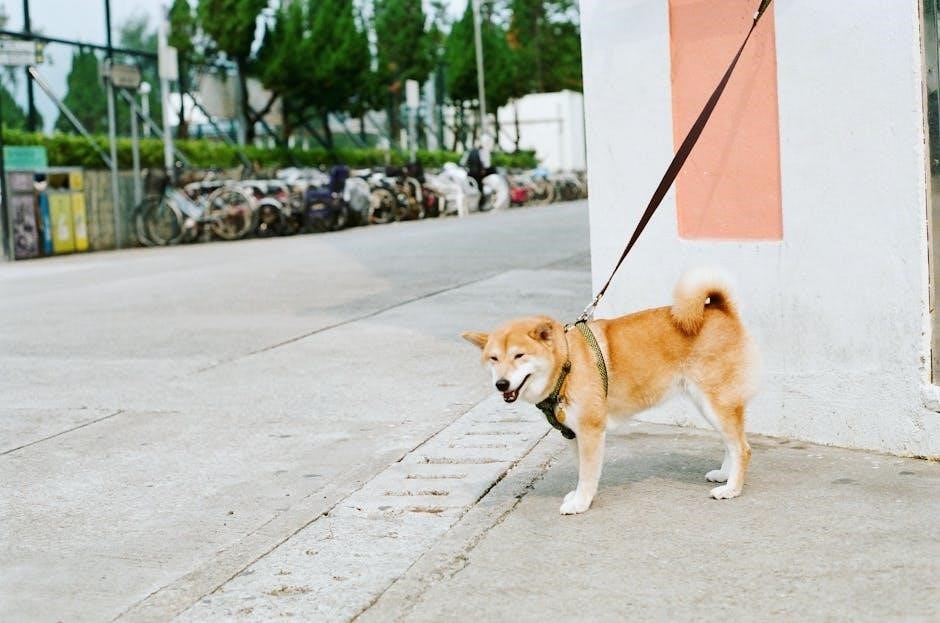
Finally, refine the belly strap for a snug, but not restrictive, fit. Regularly check for chafing, especially during longer walks. A properly adjusted harness allows full range of motion without being loose enough for escape – prioritizing both comfort and control.
Materials and Durability
Dog harness materials significantly impact longevity and comfort. Nylon is a common, affordable, and durable choice, resisting abrasions well. Mesh harnesses offer breathability, ideal for warmer climates, but may be less robust. Padded harnesses, often utilizing neoprene or similar materials, maximize comfort, preventing chafing during extended wear.
When assessing quality, inspect stitching – reinforced seams indicate greater durability. Check buckle strength and material thickness. Consider your dog’s activity level; more active dogs require tougher materials. A well-constructed harness should withstand regular use and washing.
Common Harness Materials (Nylon, Mesh, Padded)
Nylon reigns supreme as a popular harness material due to its strength, affordability, and resistance to fraying. Mesh harnesses prioritize breathability, making them excellent for warmer weather or dogs prone to overheating, though they’re generally less durable. Padded harnesses, frequently incorporating neoprene, offer superior comfort by minimizing chafing and pressure points.
Each material caters to different needs. Nylon suits everyday use, mesh excels in hot climates, and padding benefits dogs with sensitive skin or those pulling frequently. Material choice impacts both comfort and the harness’s lifespan.
Assessing Harness Quality and Longevity
Evaluating a harness’s quality begins with scrutinizing the stitching – look for tight, even seams without loose threads. Robust buckles and hardware, preferably made of metal, indicate durability. Consider the denier of nylon used; higher denier signifies greater strength.
Longevity depends on usage and care. Regularly inspect for wear and tear, replacing damaged components promptly. Proper cleaning, following manufacturer instructions, extends the harness’s life. Investing in a well-made harness initially often proves more cost-effective than frequently replacing cheaper options.
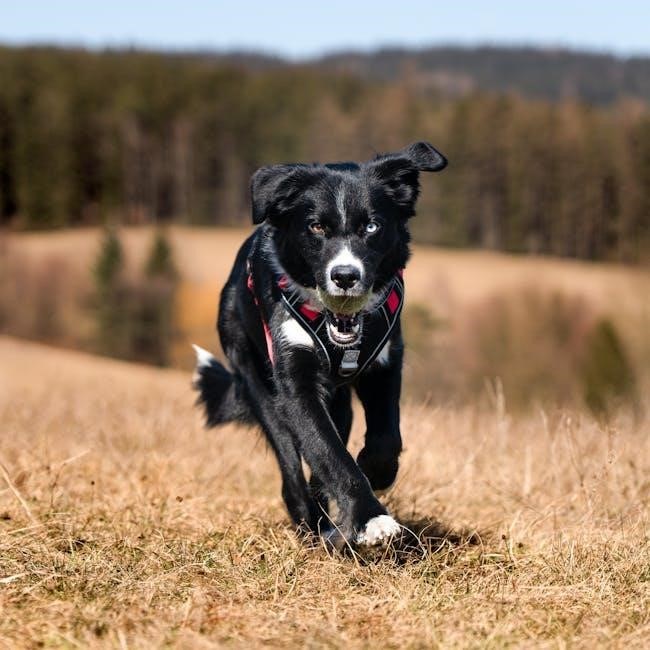
Harness Features to Consider
Beyond basic functionality, several features enhance a dog harness. Padding around the chest and shoulders significantly improves comfort, especially during extended walks. Reflective elements are crucial for visibility during low-light conditions, boosting safety.
Adjustability is key for a secure fit, accommodating different body shapes and sizes. Look for multiple adjustment points. Consider features like a handle for assistance or control, and a front or back clip option for versatility. Durable hardware and quality materials contribute to overall longevity and reliability.
Padding and Comfort
Prioritizing your dog’s comfort is paramount when selecting a harness. Padding, typically found around the chest, back, and shoulder straps, minimizes chafing and pressure points. Soft mesh or neoprene padding are excellent choices, particularly for dogs with sensitive skin or those prone to pulling.
Well-padded harnesses distribute weight more evenly, reducing strain during walks; Consider the climate; breathable materials prevent overheating. A comfortable harness encourages a relaxed and enjoyable walking experience for your furry friend, making outings more pleasant for both of you.
Reflective Elements for Safety
Visibility is crucial, especially during low-light conditions. Reflective elements on a dog harness significantly enhance safety during evening or early morning walks. Look for harnesses with strategically placed reflective stitching or panels on the back, sides, and straps.
Brightly colored harnesses, combined with reflective features, maximize visibility to motorists and pedestrians. Some harnesses even incorporate LED lights for increased illumination. Prioritizing reflective gear demonstrates responsible pet ownership and helps prevent accidents, ensuring both you and your dog remain safe on every adventure.





No comment yet, add your voice below!